 Eat to Recover: How Good Food Supports Your Training
Whether you’re training for a race, playing a sport, hitting the gym, hiking on the weekends, or simply moving your body more than usual, your body is doing a lot of work.
Training challenges your muscles, uses energy stores, and creates a need for your body to repair and rebuild. Recovery is where a lot of that adaptation happens, and food is an important part of the process.
You don’t need a complicated diet or a perfectly timed meal plan. Start with something much simpler: eat enough, eat a variety of foods, and make it easy to get nourishing meals and snacks on the table.
What you eat after training matters
After a workout, your body needs to replenish the energy it used and provide the building blocks it needs for repair.
That doesn’t necessarily mean reaching for a special recovery product. For many everyday athletes, a balanced meal or snack made with whole foods can do the job beautifully.
Think about including:
- Carbohydrates to replenish energy stores
- Protein to support muscle repair and recovery
- Fruits and vegetables for vitamins, minerals, antioxidants and other beneficial plant compounds like polyphenols
- Healthy fats as part of an overall balanced diet
- Fluids to replace what you lost through sweat (fruits and cucumbers are extra hydrating!)
The goal isn’t perfection. It’s giving your body the raw materials it needs to recover and get ready for whatever comes next.
Make the next meal easy
One of the hardest parts of eating well when you’re training isn’t knowing what to eat. It’s having the energy to figure it out.
That’s where keeping your kitchen stocked with good ingredients can make a difference. These can be prepped ahead as components or as a whole dish to save even more time!
A fridge full of colorful produce gives you plenty of starting points for quick meals:
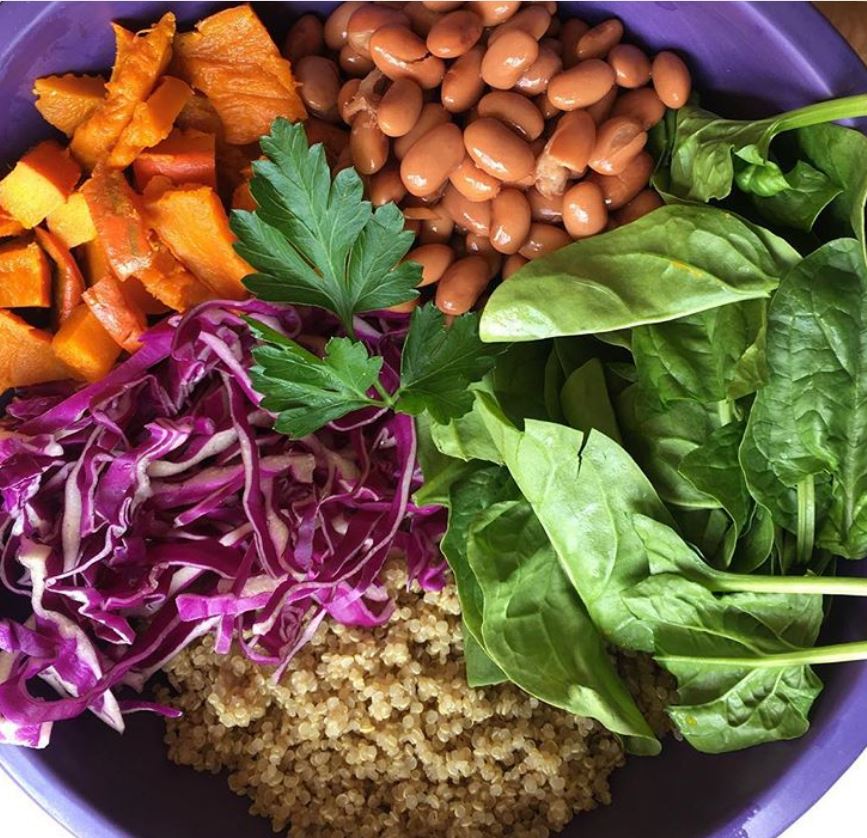
Greens + grains + protein + whatever vegetables are in season = an easy grain bowl.
Add roasted vegetables, avocado, leafy greens, beans, eggs, chicken, tofu or another protein you enjoy. Drizzle with olive oil or your favorite dressing, and you’ve got a satisfying meal without needing a complicated recipe.
Check out our Buddha Bowl Recipe
Don’t underestimate the humble smoothie
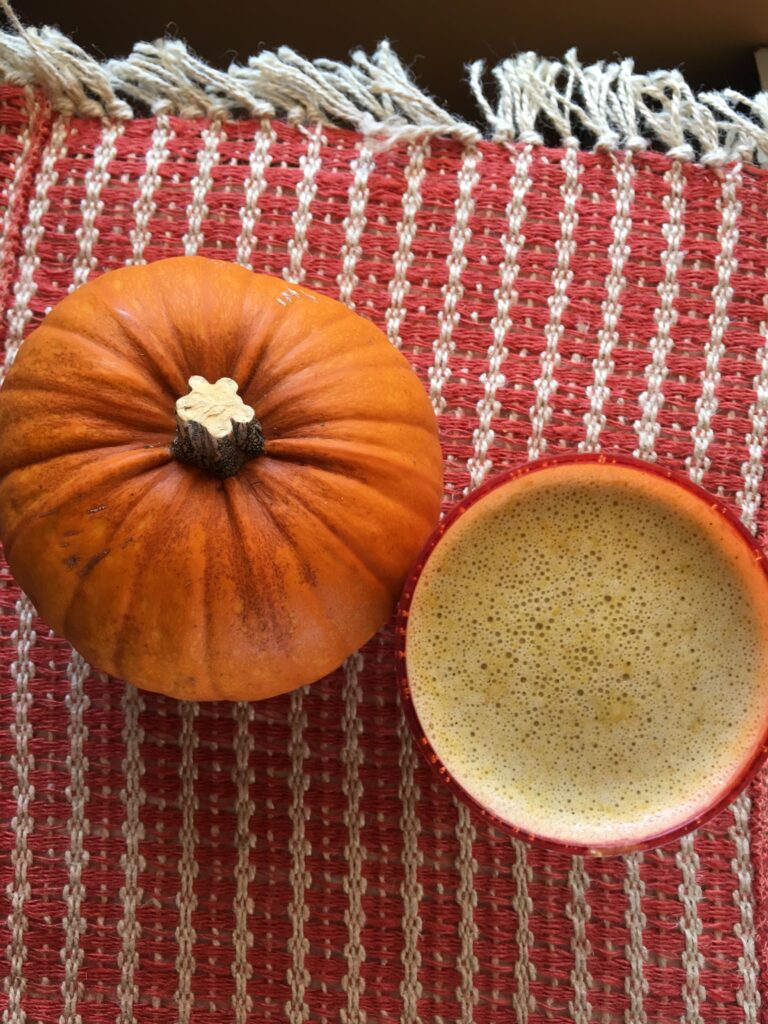
Smoothies can also be an easy option when you’re hungry after a workout but don’t feel like cooking.
Fruit provides carbohydrates, while ingredients like yogurt, milk, nut butter, seeds or protein powder can add protein and make a smoothie more substantial.
And they’re a particularly good way to use up produce that’s ripe and ready to go.
Try keeping frozen bananas or berries on hand and adding whatever fresh fruit is in season.
Here’s a great pumpkin pie smoothie recipe perfect for the season and you can add a big scoop of protein powder to this one!
Eat the rainbow & and follow the seasons
One of the easiest ways to add variety to your diet is simply to eat what’s in season.
Different fruits and vegetables offer different combinations of nutrients and plant compounds. Instead of worrying about whether you’re eating the “perfect” foods, let variety do some of the work.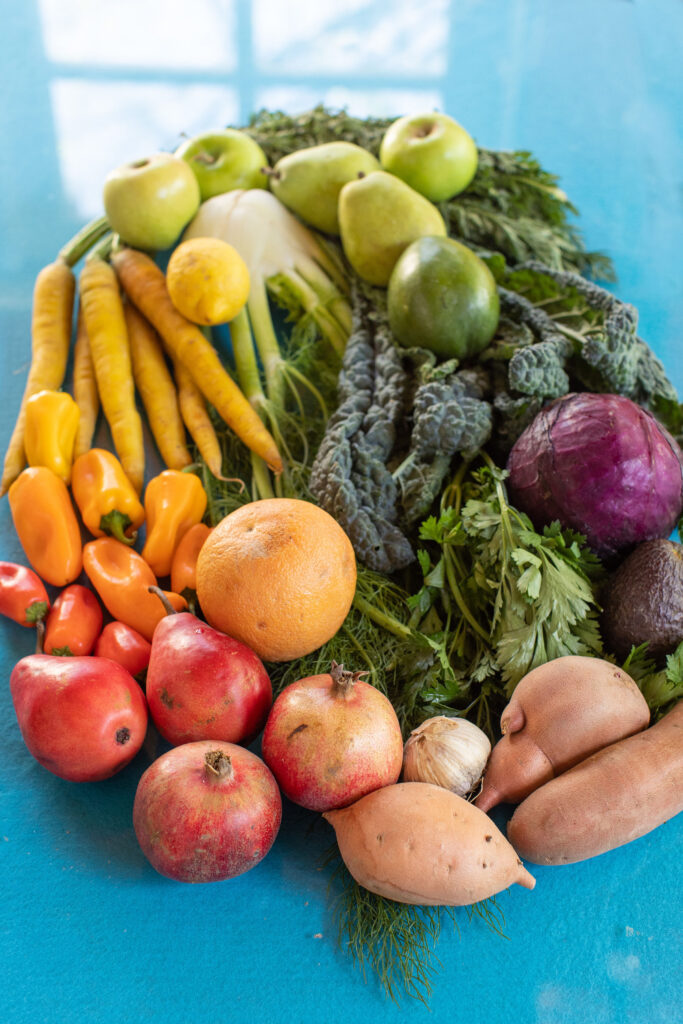
One week it might be citrus, carrots and leafy greens. The next, berries, tomatoes and summer squash. In the fall, you might find yourself reaching for apples, winter squash and dark leafy greens.
Eating seasonally keeps things interesting, and makes it easier to build a habit of eating plenty of plants. And making sure to eat all the colors is a natural way to make sure you’re getting the full spectrum of minerals too– check out our recent post on eating the rainbow.
Recovery doesn’t have to be complicated
Training can be complicated. Your food doesn’t have to be.
You don’t need to eat perfectly after every workout. You don’t need a special recipe for every meal. And you don’t need to overhaul your entire diet.
Instead, focus on the basics:
Eat enough. Eat a variety of foods. Include protein and carbohydrates. Eat plenty of fruits and vegetables. Stay hydrated. And make healthy choices convenient.
Over time, those small habits can add up to a whole lot of good.
Good food makes training, and life, a little easier.
Whether you’re training for your next race or just trying to feel your best, having fresh, seasonal produce on hand means one less thing to think about.
If you’re not already getting a weekly box and want to learn more- explore good box for runners so you can fuel your runs with the good stuf