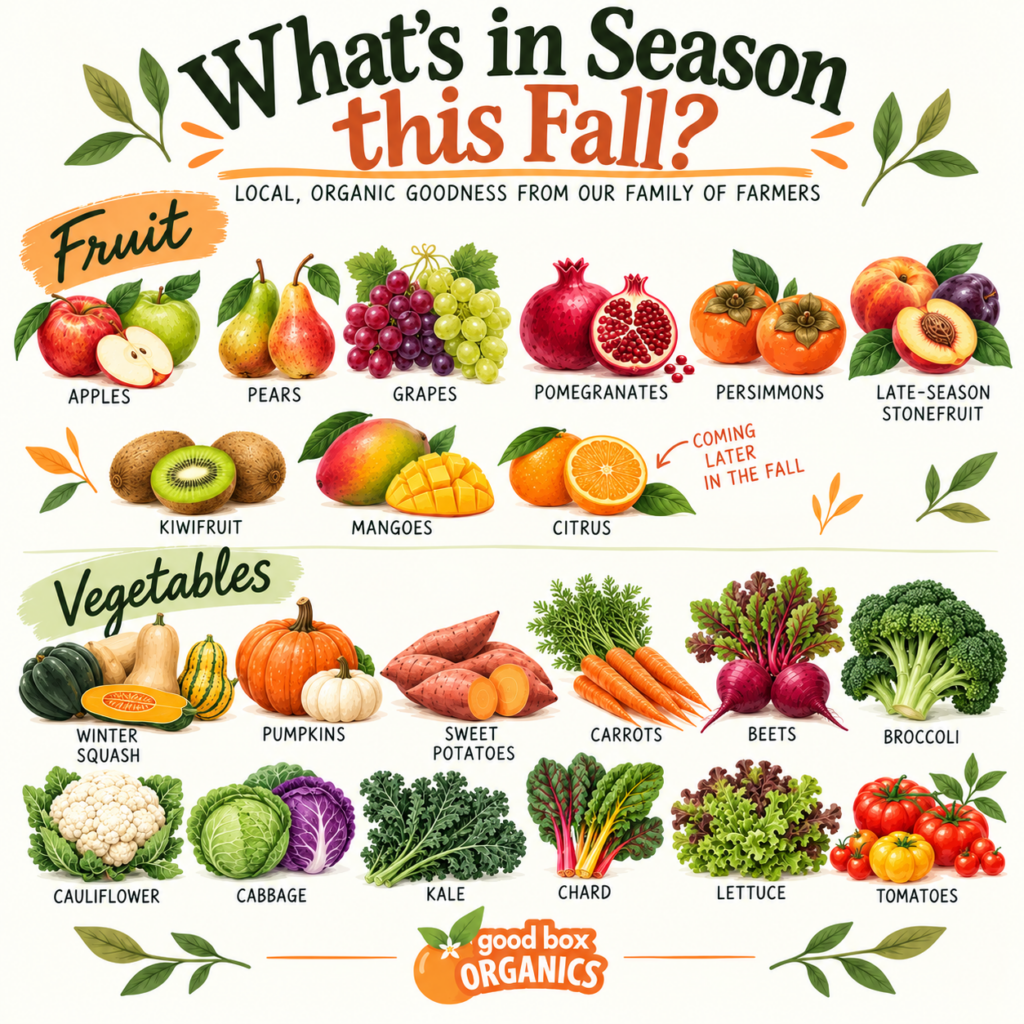
 Fall produce in Los Angeles is a little different than the classic autumn harvest you might picture. While the rest of the country may be reaching for sweaters and hot chocolate, here in Southern California we’re still enjoying plenty of sunshine, and often plenty of summer heat, while the farms begin transitioning into a new season.
That means September and October can be a delicious in-between time at the farmers market and in your weekly produce box. You might still see the last of summer’s peaches, zucchini and tomatoes alongside the first pomegranates, persimmons, pears, apples, winter squash and pumpkins.
And that’s one of our favorite things about eating seasonally in California: the seasons don’t always arrive all at once.
Here’s what to look for as we head into fall.
Grapes
Fall is prime grape time in California, and September can bring an incredible variety of table grapes.
Depending on the farm and variety, you may find everything from familiar green and red grapes to darker, sweeter or specialty varieties.
Grapes are an easy snack, but don’t underestimate them in the kitchen. Try roasting them until they become jammy and concentrated, or freeze them for an easy cold snack.
Try them: fresh, frozen, roasted with vegetables, or added to a cheese board.
Apples & Pears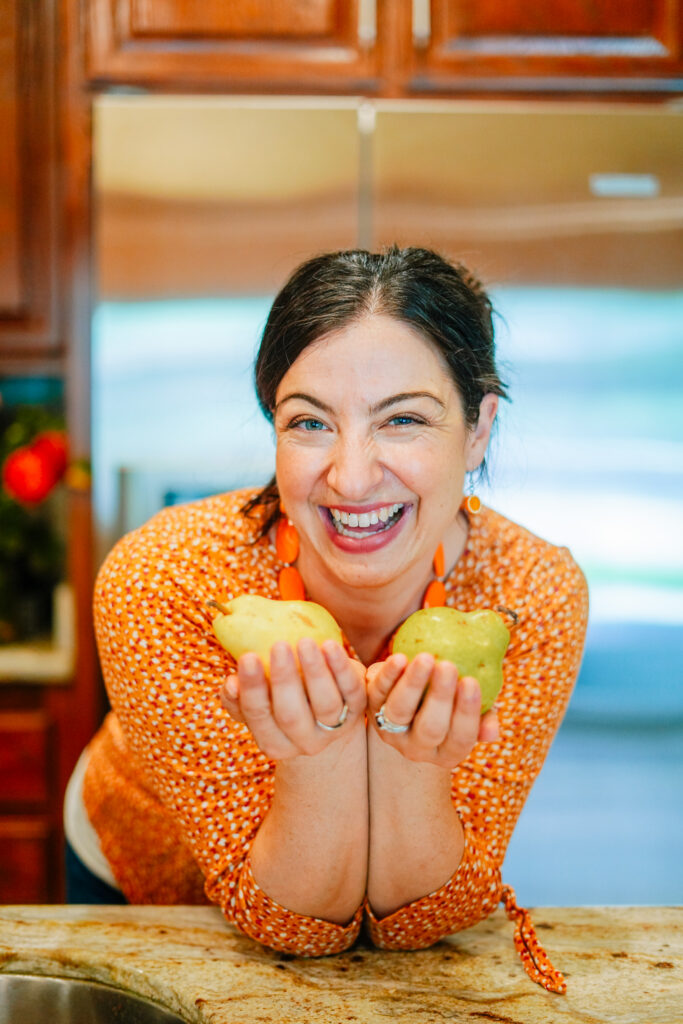
Apples are one of the quintessential fall fruits, and California-grown apples begin arriving in late summer and continue into fall and winter. California’s apple season generally runs from August into March, depending on the variety and growing region.
Look for varieties ranging from crisp, sweet apples that are perfect for snacking to apples with a little more tartness that are especially good for baking.
Pears are another fall favorite. California pears can overlap with late-summer fruit, making them a great bridge between the two seasons.
Try them: sliced into salads, paired with cheese, baked into a crisp, or simply eaten straight from the fridge.
Melons & Mangoes
Melons may be a summer favorite, but don’t count them out just because the calendar says fall! Here in Southern California, warm weather can keep melons going into the early fall, so if the temperatures cooperate, you may still see sweet, juicy melons showing up in your box.
And then there are mangoes, which feel a little unexpected for LA, but they’re actually grown right here in California. In warm microclimates less than 100 miles from Los Angeles, varieties like Esquire and Keitt can thrive. California-grown mangoes are a special treat and a fun reminder that our growing season here is anything but ordinary.
Try them: chilled and eaten straight from the fridge, tossed into fruit salads, blended into smoothies, or chopped into salsa. 🥭
 Pomegranates
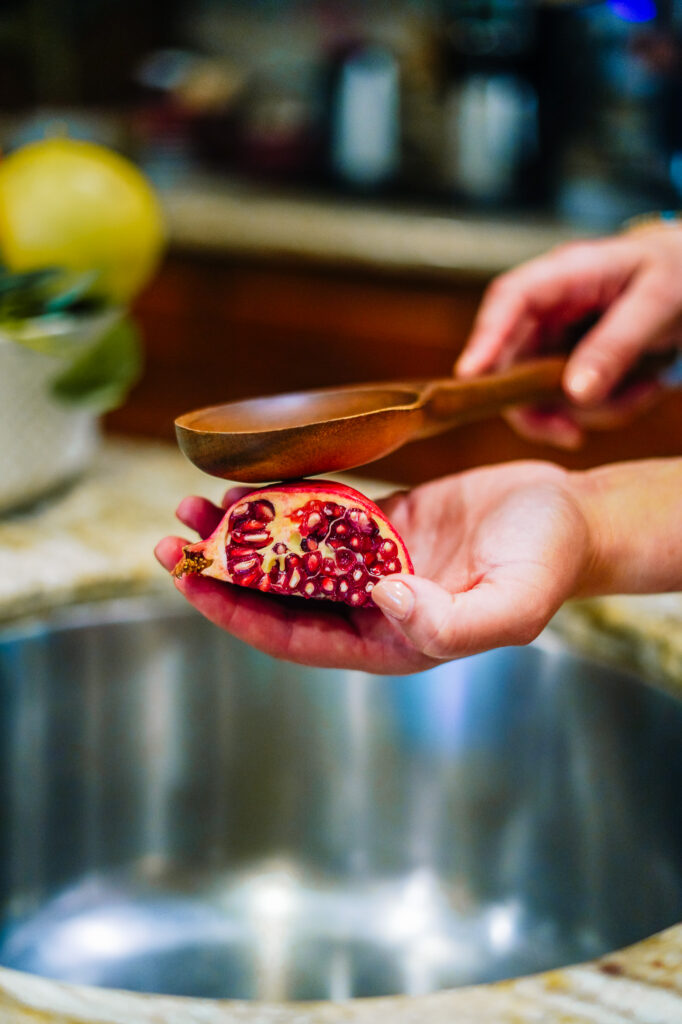
If there were one fruit that could announce, “Fall has arrived,” we’d make a strong case for the pomegranate.
California pomegranate harvest begins in late September and generally continues through the fall and into winter.
The ruby-red arils inside are sweet-tart, juicy and wonderfully crunchy. They’re also one of those fruits that instantly make whatever you’re eating look a little more special.
Try them: sprinkled over salads, oatmeal, yogurt, roasted vegetables or grain bowls.
And if you’ve ever avoided pomegranates because they seem intimidating, don’t! Once you know how to get the arils out, they’re much easier than they look.
Persimmons
Persimmons are another California fall favorite, typically coming into season around September or October and continuing through December.
There are two varieties you’re most likely to encounter:
Fuyu persimmons are squat and firm, with a crisp, almost apple-like texture. You can eat them while they’re still firm, making them perfect for snacking and salads. These we feature regularly through the fall.
Hachiya persimmons are more elongated and need to become completely soft before eating. Once ripe, their texture becomes almost custard-like, making them wonderful for baking. We never include these in the box because if you eat them underripe it’s incredibly unpleasant.
Try them: sliced into salads, eaten as a snack, added to oatmeal—or let Hachiyas get very soft and use them in baked goods.
The Last Taste of Summer
One of the best things about early fall in Los Angeles is that summer fruit doesn’t necessarily disappear the second September arrives.
Depending on the year and the farm, you may still find late-season peaches, nectarines, figs, berries or other summer favorites hanging around.
California’s growing seasons can overlap, and weather plays a major role in exactly when crops are ready. Even California’s official seasonal guides note that growing conditions can shift availability from year to year.
So if you see one of your summer favorites in your box in September, enjoy it! It may be one of the last tastes of the season.
Pumpkins & Winter Squash
This is where fall really starts to feel like fall.
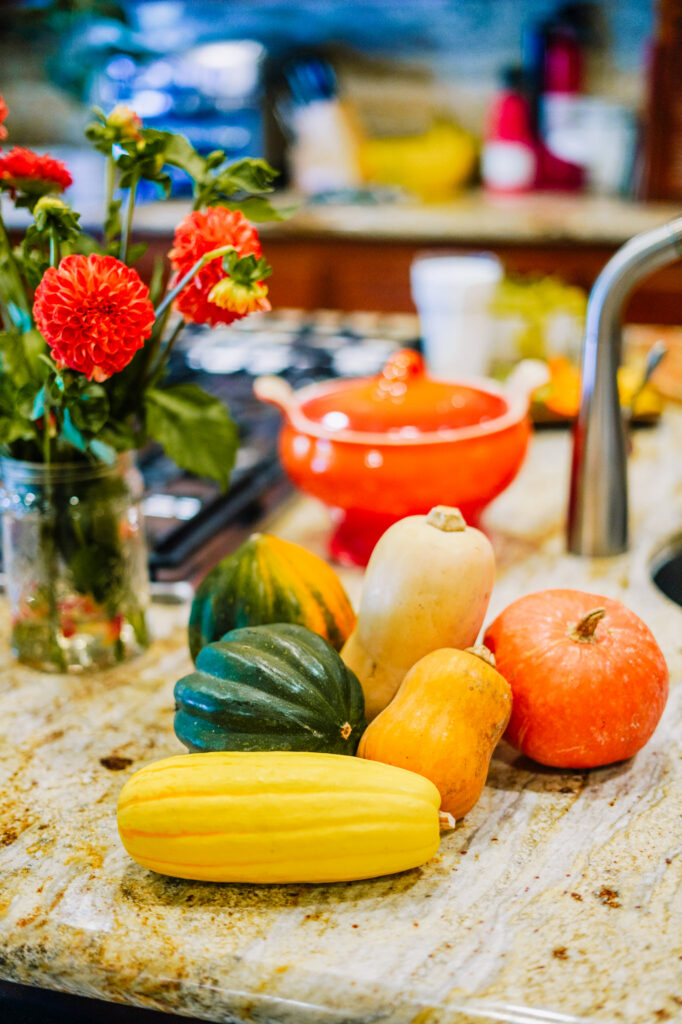
Pumpkins are generally in season in California from September through November, with harvest beginning in late September in many growing regions.
And pumpkins aren’t just for decorating!
Smaller cooking varieties, like Sugar Pie pumpkins, have sweet, smooth flesh that’s delicious roasted, pureed into soup, baked into bread or used anywhere you’d normally use canned pumpkin.
Winter squash also begins to take center stage. Depending on what’s being harvested, look for varieties like:
- Butternut
- Kabocha
- Delicata
- Acorn
- Spaghetti squash
- Sugar Pie pumpkins
Unlike summer squash, winter squash are harvested mature and generally have a tougher exterior, which means many varieties can be stored for a while.
Try them: stuffed with grains and beans, blended into soup, or simply roasted until caramelized around the edges.
Sweet Potatoes
Sweet potatoes are another great fall staple, and California-grown sweet potatoes can be available from summer into fall.
They’re incredibly versatile and can go sweet or savory.
Try them: roasted, mashed, stuffed, turned into fries, added to tacos or grain bowls, or baked with cinnamon and a little maple syrup.
Leafy Greens Are Coming Back
After the heat of summer, fall is a welcome time for many cool-season greens.
Depending on local growing conditions, look for:
- Kale
- Chard
- Lettuce
- Arugula
- Spinach
- Fresh herbs
These are especially good news for anyone who loves salads because fall greens tend to pair beautifully with the season’s fruit.
Try combining sturdy greens with sliced pears, apples or persimmons, toasted nuts and a simple vinaigrette.
Fall Vegetables
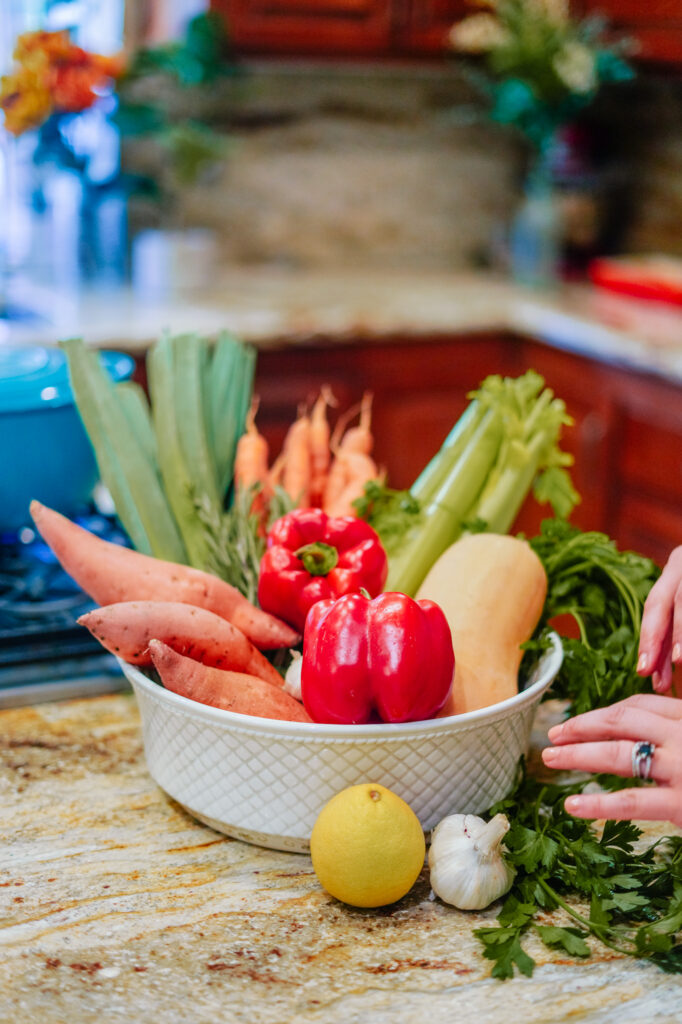
Fall is also a great time for the vegetables that make roasting especially satisfying.
Keep an eye out for:
- Carrots
- Beets
- Broccoli
- Cauliflower
- Cabbage
- Eggplant
- Peppers
- Celery
- Onions
- Shallots
- Garlic
- Leeks
- Zucchini
- Winter squash
California’s mild climate means many vegetables are available across a much longer season than you might expect. Some crops, including carrots, lettuce, broccoli and cauliflower, can be grown year-round, while their availability and quality can shift with the seasons.
And Yes… Tomatoes Can Still Happen
If you’re used to thinking of tomatoes as strictly a summer crop, California may surprise you.
California-grown tomatoes can extend well into fall, with some varieties available through November or later depending on the region and growing conditions.
So don’t be surprised if your September or October produce box still has some beautiful tomatoes alongside the first true signs of fall. There might even be cucumbers too if we’re lucky!
That’s the beauty of eating seasonally in LA: the transition is gradual.
What Does “Seasonal” Really Mean?
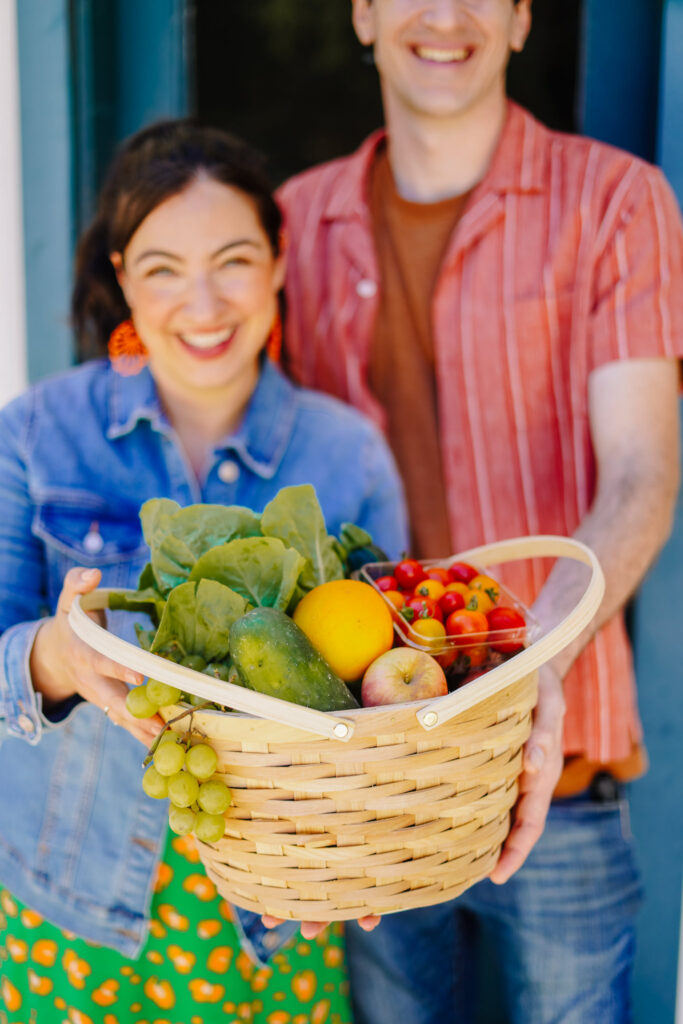
One of the things we love about seasonal eating is that it doesn’t have to mean following a rigid calendar.
There’s no magical date when peaches disappear and pumpkins suddenly appear.
Harvest timing depends on the crop, variety, farm, weather and growing region. California’s enormous agricultural diversity means there is almost always something being harvested somewhere in the state.
For us, eating seasonally is more about paying attention to what’s being harvested right now and letting that guide what we cook and eat.
That might mean one more basket of late-summer peaches alongside a new batch of persimmons.
It might mean switching from cold summer salads to roasted squash, but still throwing some juicy grapes or pomegranate arils on top.
And it definitely means enjoying things while they’re here, because the best part of seasonal produce is knowing that there’s always something new around the corner.
Want to eat more seasonally?
Good Box delivers curated boxes of certified organic produce from local family farms throughout the Greater Los Angeles area, from Newbury Park to Pasadena and from The Valley down to Marina Del Rey. Each week’s box reflects what’s fresh and available from our farmers.
See What’s in This Week’s Box →
Frequently Asked Questions
What fruits are in season in fall in Los Angeles?
Fall fruits in California can include apples, pears, grapes, pomegranates, persimmons, figs, kiwifruit and late-season peaches and nectarines. Citrus begins coming into season later in the fall, while exact availability varies by crop, variety, region and weather.
What vegetables are in season in fall in Los Angeles?
Fall vegetables can include winter squash, pumpkins, sweet potatoes, carrots, beets, broccoli, cauliflower, cabbage, kale, chard, lettuce, arugula and other cool-season crops. California’s mild climate means some vegetables are available across multiple seasons or even year-round.
When are pumpkins in season in California?
California pumpkin season generally runs from September through January, with harvest beginning in late September in many areas.
When are pomegranates in season in California?
California pomegranate season generally begins in September and continues through the fall.
When are persimmons in season in California?
California persimmons are generally in season from September or October through December, depending on the variety and growing conditions.
Is September still summer or fall for produce?
Both! September is often a transition month for California produce. Late-summer crops can overlap with early fall crops, so you may see peaches and tomatoes alongside grapes, pomegranates, persimmons and squash. Harvest timing varies with weather and growing conditions.